On Thursday I went to the Manet show at the RA and a show on at the Barbican documenting the fruitful creative friendship between Marcel Duchamp, Robert Rauschenberg, John Cage, Jasper Johns, and the choreographer Merce Cunningham.
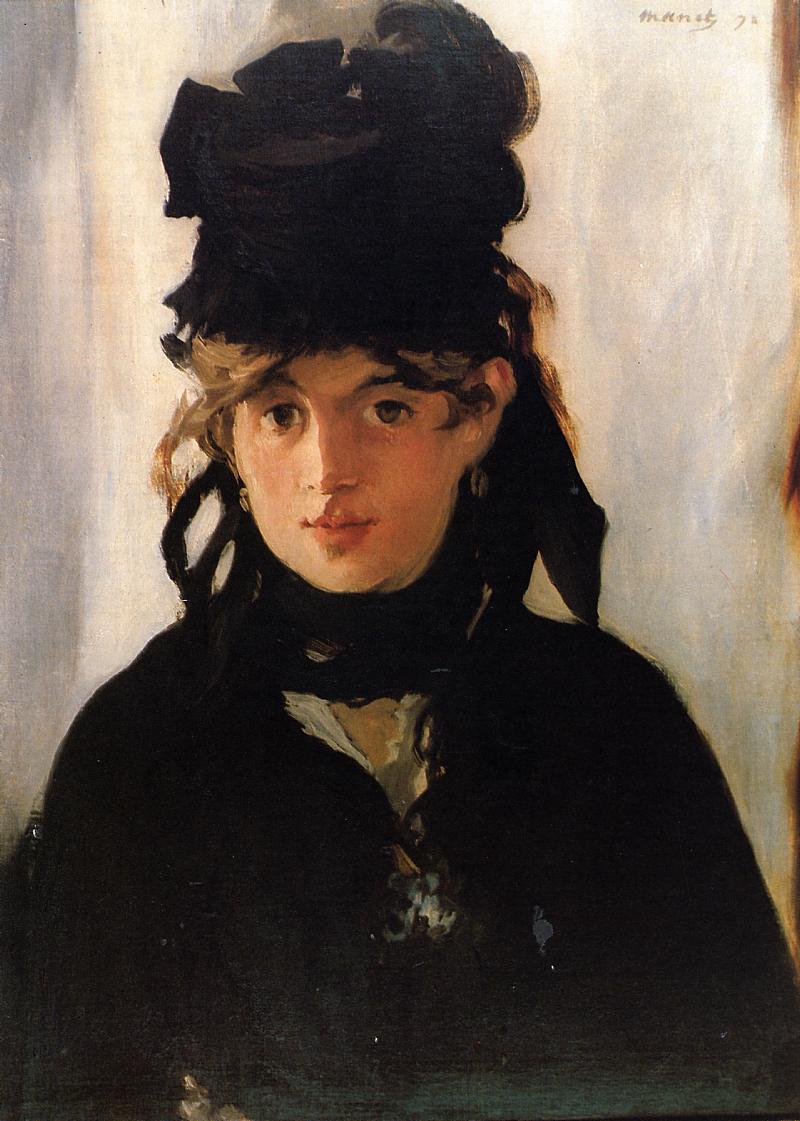
The Manet show was of course packed, but I took away a new appreciation for the use of the colour black. Manet was arguably guilty of over-using it, but it gave his paintings a high impact, graphic quality that still looks very modern today. So, I’m going to try using black in my paintings. I almost never use black or even approach it in my mixtures, mainly because few things in nature are truly optically black. Also, I grew up using Winsor & Newton watercolour pans: no black supplied, presumably to prevent one from making errors in judgement. Occasionally I hit on black accidentally. I do own a tube of the stuff (Ivory Black), because Rembrandt used it. He would have used bone black.
The Bride and Bachelors was inspiring for different reasons. The interdisciplinary nature of the artists’ collaborations was exciting, and underlined to me the importance of friendships, especially with people who challenge or stimulate ideas. The collaborations between John Cage and Duchamp were by far the most interesting, and perhaps the most successful. Cage was the ultimate open-minded risk-taker. My favourite piece in the show was a chess board designed to generate a different musical performance during each game by linking the moves of the pieces to different notes and chords played by a full orchestra. (Duchamp was a chess fanatic, and Cage et al. shamelessly used chess-related projects to lure the extremely reclusive Duchamp out of the house.) I also found seeing so much of Rauschenberg’s and Johns’ work together truly exciting. Growing up, to me, modern art = Rauschenberg + Johns, and there is something so freeing about assemblages, and the use of paintbrushes and paint cans in paintings. The only real false note in the show was a replica of Duchamp’s Fountain, reverently displayed on a plinth. We all know what Fountain looks like, and its entire point is conceptual. It was ridiculous to watch people take turns to look at a random urinal, which is not even the same exact make as the ‘original.’ As far as I am aware, there are a few ‘replicas’ of Fountain around, and none of them are the same exact kind of urinal. Not that it matters.

Painted Bronze – Jasper Johns, 1960
 Johanna Shepherd Fine Art
You must be logged in to post a comment.